
PRP/PRF Facial Rejuvenation
Your own platelets and growth factors, concentrated and returned to your skin to rebuild quality from the inside out.
What Is PRP/PRF Facial Rejuvenation ?
PRP/PRF facial rejuvenation is a regenerative skin treatment that uses a small sample of your own blood to improve skin tone, texture, and firmness.
At Longevity 360, PRP/PRF is often combined with treatments like microneedling for enhanced results.
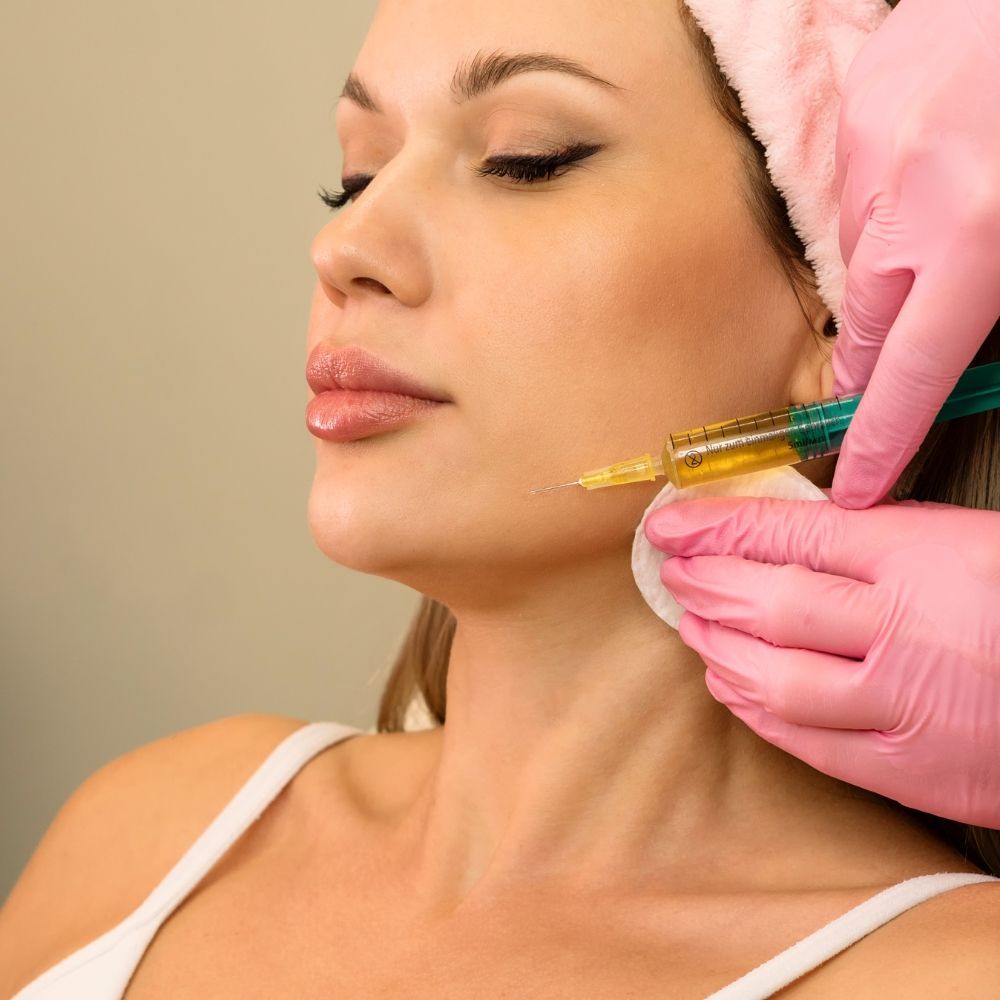
Four Reasons People Choose PRP/PRF Facial Rejuvenation
Natural, "From-Within" Results
Because PRP/PRF comes from your own blood, the treatment supports your skin's own repair processes rather than relying on synthetic materials.
Improved Texture and Tone
Clients often choose PRP/PRF to help reduce the appearance of fine lines, enlarged pores, acne scars, and dull or uneven skin tone.
Collagen Support Without Added Volume
Unlike fillers, PRP/PRF does not add bulk. Instead, it stimulates collagen and elastin for gradual, subtle firmness and elasticity.
Minimal Downtime with Long-Term Benefits
While mild redness or swelling is common at first, most clients resume normal activities quickly and see progressive improvement over weeks as collagen remodeling occurs.
How Treatment Works in Practice
Consultation & Skin Assessment
Your provider reviews your goals, skin concerns, and medical history to determine if PRP, PRF, or a combination with microneedling is the right approach. Areas such as the face, neck, or under-eye region may be targeted.
Blood Draw & Processing
A small amount of blood is drawn from your arm, similar to routine lab work. This sample is placed into a specialized centrifuge that separates out the platelet-rich layer (PRP) or creates a fibrin matrix (PRF) rich in growth factors and regenerative cells.
Skin Preparation & Comfort Measures
Your skin is cleansed thoroughly and a topical numbing cream may be applied to maximize comfort, especially if injections or microneedling are used.
Application or Injection of PRP/PRF
The concentrated PRP/PRF is either gently massaged into the skin after microneedling or carefully injected into specific areas (such as fine lines or under-eye hollows). This allows growth factors to penetrate where they can best support rejuvenation.
Recovery, Results & Follow-Up
Mild redness, swelling, or pinpoint marks are common for 1-3 days. Over the following weeks, many clients notice smoother texture, improved tone, and a healthier glow. A series of treatments is often recommended for optimal, longer-lasting results.
Collagen & Elastin Stimulation
Encourages your skin to produce more of its own structural proteins, helping improve firmness and elasticity over time.
Natural-Looking Rejuvenation
Uses your own blood-derived growth factors rather than synthetic substances, supporting subtle, biologically harmonious improvements.
Improved Texture & Scarring
Helps soften the appearance of fine lines, acne scars, and rough or uneven texture for a smoother, more refined complexion.
Enhanced Radiance & Tone
Many clients notice a healthier glow and more even skin tone as circulation and cellular turnover improve.
Minimal Risk of Allergic Reaction
Because PRP/PRF is autologous (from your own body), the risk of allergic reaction is very low compared with many topical or injectable products.
Versatile & Complementary
Can be combined safely with procedures like microneedling or other aesthetic treatments at Longevity 360 to amplify overall results.
Frequently asked questions
Both come from your own blood and contain platelets and growth factors. PRP is a concentrated plasma layer, while PRF forms a fibrin matrix that can release growth factors more gradually. Your provider may recommend one or both depending on your skin concerns and treatment area.
Many clients see visible improvement after a single session, but a series of 3 treatments spaced 4-6 weeks apart is commonly recommended for more significant and longer-lasting results. Maintenance sessions can then be done periodically.
You may experience mild redness, swelling, or sensitivity similar to a moderate sunburn, especially if combined with microneedling. These effects typically resolve within 1-3 days. Makeup and active skincare may be paused briefly per your aftercare instructions.
Most clients describe the treatment as very tolerable. A topical numbing cream is used before needling or injections to minimize discomfort. You may feel light pressure, warmth, or scratching sensations during the procedure.
People with certain blood disorders, active infections, uncontrolled chronic illnesses, or those who are pregnant or breastfeeding may not be ideal candidates. A thorough consultation and medical review at Longevity 360 ensures the treatment is appropriate and safe for you.
Science & Safety of PRP/PRF Facial Rejuvenation
PRP and PRF are based on the principle that platelets and growth factors in your blood play a central role in tissue repair and regeneration. When concentrated and delivered to targeted areas of the skin:
Because the product is derived from your own blood, the risk of immune reaction or allergy is significantly reduced. Safety depends on:
Common side effects include temporary redness, swelling, tenderness, or bruising at injection or microneedling sites. These typically resolve in a few days. Rare but potential risks include infection, prolonged swelling, or uneven results, risks that are minimized by physician-led protocols, meticulous technique, and adherence to aftercare instructions.
- Platelets release growth factors that can signal nearby cells to rebuild collagen, elastin, and extracellular matrix.
- PRP provides a high concentration of platelets in a liquid plasma form.
- PRF forms a soft fibrin scaffold that can slowly release growth factors and support cell migration over a longer period.
- Using sterile, single-use supplies and FDA-cleared collection systems
- Proper handling and processing of the blood sample
- Accurate injection or application technique by trained medical professionals
- Careful candidate selection and review of medications or conditions that affect bleeding or healing
- At Longevity 360, PRP/PRF treatments are performed in a controlled clinical setting, with attention to sterility, dosing, and your overall health status, ensuring the treatment supports both cosmetic results and long-term skin health.
How Common Are PRP/PRF Facial Rejuvenation Treatments?
Regenerative facial treatments like PRP and PRF have become increasingly popular in aesthetic medicine over the last decade. They are frequently chosen by clients who want improvement in texture, tone, and fine lines but prefer a more natural, biologically based approach rather than relying solely on fillers or more aggressive procedures.
PRP/PRF is also commonly combined with microneedling, making it a staple in many modern med spa and physician-led practices. At Longevity 360, these treatments are part of a broader focus on regenerative and longevity-focused care, aligning cosmetic benefits with overall skin health and long-term wellness.
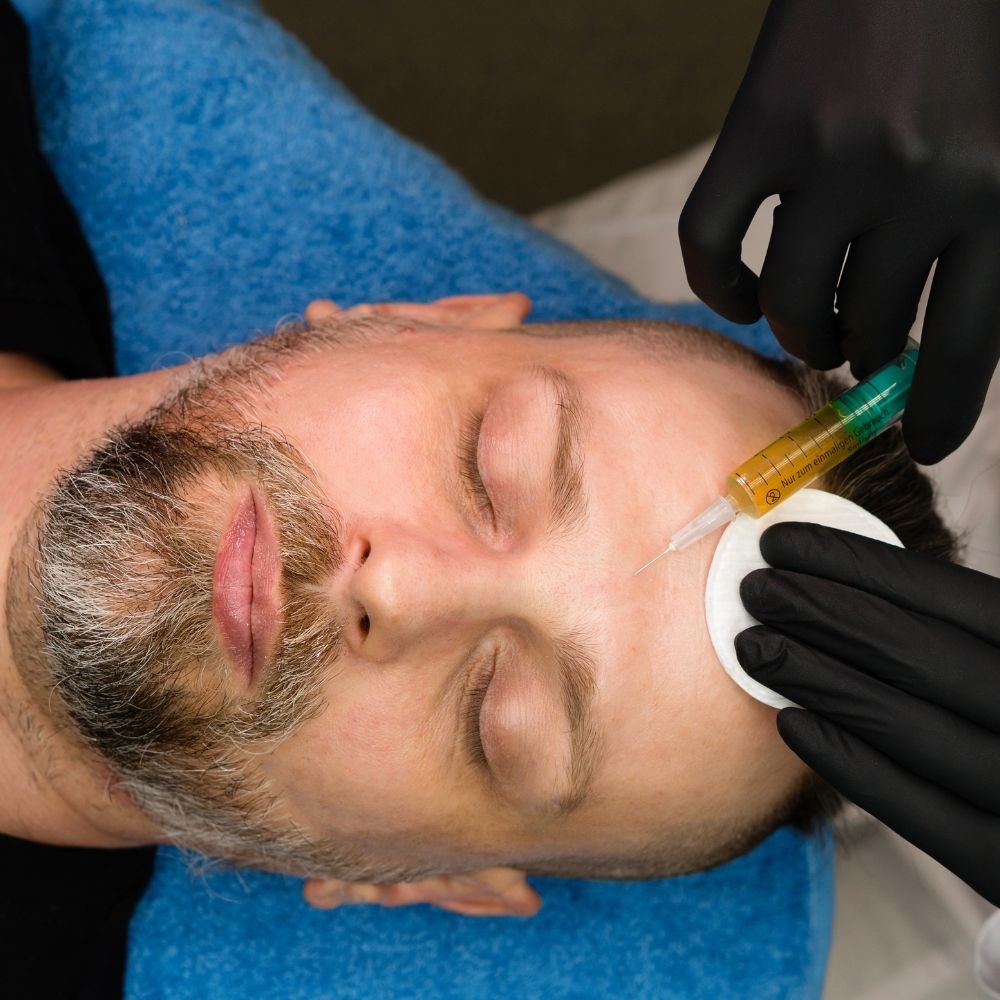
Book your prp/prf facial rejuvenation consultation
Tell us what you want to change and we will tell you honestly whether this is the right treatment for it. Consultations are led by Dr. Hasan and there is no obligation to book a treatment on the day.