Botox
Precision botulinum toxin, placed by a physician led team, to soften lines while your expressions stay entirely your own.
What Is Botox® ?
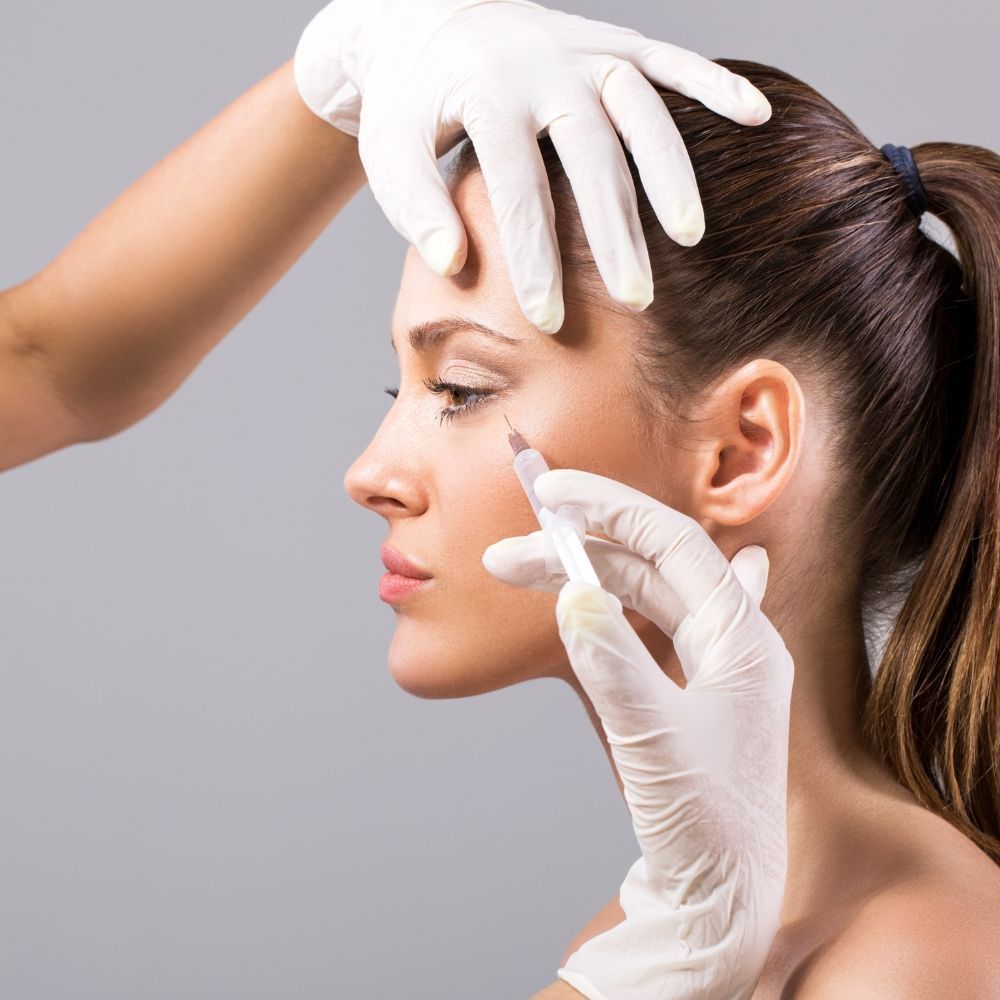
Botox (botulinum toxin type A) is an injectable treatment used to temporarily relax specific facial muscles that cause expression lines and wrinkles. By softening the muscle activity beneath the skin, Botox helps smooth frown lines, forehead lines, and crow's feet while preserving your natural facial expressions when performed by an experienced medical professional.
Four Reasons People Choose Botox
Smoother, Younger-Looking Skin
Botox softens lines and wrinkles caused by repeated facial expressions, creating a refreshed, rested appearance without surgery.
Preventative Aging
Many clients start Botox before deep lines are etched into the skin. By limiting repetitive creasing, Botox can slow the formation of visible wrinkles over time.
Quick, Minimal-Downtime Treatment
Treatments usually take 10-20 minutes and require no incisions or general anesthesia, making it easy to schedule over lunch or between errands.
Subtle, Natural Results
When dosed and placed precisely, Botox reduces unwanted lines while allowing you to still look like yourself, just smoother and more relaxed.
How Treatment Works in Practice
Personalized Consultation
Your visit begins with a detailed consultation and facial assessment. Dr. Hasan or a trained medical provider reviews your concerns, medical history, and goals to determine if Botox is appropriate and which areas to treat.
Mapping & Treatment Plan
Specific muscles contributing to your lines are identified. The provider outlines a customized injection plan, including dose and placement, to achieve natural-looking balance rather than an over-frozen appearance.
Injection Session
After cleansing the skin (and applying a topical numbing agent if needed), Botox is injected with a very fine needle into targeted muscles. You may feel brief pinches or pressure that typically resolves within seconds.
Immediately After Your Visit
Most people return to normal activities right away. You may be advised to avoid vigorous exercise, lying flat, or rubbing the treated areas for several hours.
Onset & Duration of Results
Early changes are often noticed within 3-5 days, with full effect in about 10-14 days. Results generally last about 3-4 months, though this can vary by individual and treatment area.
Wrinkle Softening
Helps smooth frown lines, forehead creases, and crow's feet for a fresher, more relaxed appearance.
Preventative Anti-Aging
Reduces repetitive muscle movements that deepen lines over time, helping preserve smoother skin as you age.
Fast, Convenient Appointments
Most treatments are completed in under 20 minutes with minimal disruption to your day.
Little to No Downtime
You can typically resume normal daily activities immediately, making Botox ideal for busy lifestyles.
Custom, Natural-Looking Results
Dosing and injection points are tailored to your facial anatomy so you still look like yourself, not "overdone."
Physician-Led Safety
At Longevity 360, injections are performed or overseen by a board-certified physician and medically trained team for maximum safety and precision.
Frequently asked questions
Most clients enjoy smoother skin for about 3-4 months. Some may experience slightly shorter or longer duration depending on their metabolism, muscle strength, and treatment area. Regular maintenance sessions help sustain results.
Discomfort is generally mild and brief. The injections are done with a very fine needle, and you may feel a quick pinch or pressure. A topical numbing cream or ice can be used to enhance comfort if needed.
Downtime is minimal. You may see small bumps, redness, or light bruising at injection sites that usually resolve within hours to a few days. Most people return to work and normal activities immediately.
Adults who want to soften expression lines or prevent them from becoming deeper are often good candidates. Certain conditions, such as pregnancy, breastfeeding, some neuromuscular disorders, or active skin infections in the treatment area, may mean Botox is not appropriate. A consultation with our medical team is essential.
Botox relaxes the muscles that create dynamic wrinkles (lines from movement), while fillers add volume to smooth static lines, enhance contours, or restore fullness. In many cases, the best results come from combining both treatments strategically.
Science & Safety of Botox®
Botox is a purified protein derived from Clostridium botulinum. In very small, controlled medical doses, it works by temporarily blocking the release of acetylcholine, a neurotransmitter that signals targeted muscles to contract. When those specific muscles relax, the overlying skin stops creasing as strongly, which reduces the appearance of wrinkles.
For cosmetic use, Botox has been extensively studied and has been in clinical practice for decades. It is administered in localized micro-doses directly into select muscles, not throughout the body. At Longevity 360, dosing is carefully calculated based on your facial anatomy, muscle strength, and desired outcome.
Common, mild side effects can include temporary redness, swelling, bruising, or tenderness at the injection site, and occasionally a mild headache. More significant side effects, such as eyelid drooping, asymmetry, or allergic reactions, are uncommon and are minimized by:
Because Botox is a prescription medication, it should only be administered by trained medical professionals in a clinical setting. At Longevity 360, treatments are performed or supervised by a board-certified physician to prioritize your safety and outcomes. Botox is not a substitute for medical care; our team will review your health history to make sure it's a safe option for you.
- Using sterile technique and high-quality products
- Injecting only appropriate candidates
- Accurate knowledge of facial anatomy and dosing
- Following aftercare instructions
How Common Are Botox Treatments?
Botox is one of the most commonly performed non-surgical cosmetic procedures worldwide. Millions of treatments are performed each year across a wide range of ages, from clients in their late 20s and 30s using it preventatively to older adults seeking to soften established lines. Its long track record, quick treatment time, and predictable resu lts have made it a core treatment in modern aesthetic medicine, especially when delivered in a physician-led, safety-focused practice like Longevity 360.
Book your botox consultation
Tell us what you want to change and we will tell you honestly whether this is the right treatment for it. Consultations are led by Dr. Hasan and there is no obligation to book a treatment on the day.