
Exosomes
Advanced regenerative signalling for skin and scalp, integrated into physician led protocols rather than sold as a standalone trend.
What Are Exosomes ?
Exosomes are tiny, naturally occurring particles released by cells that act as messenger packages, carrying proteins, lipids, and genetic signals between cells. In regenerative aesthetics and wellness, exosome-based products are used topically or with procedures such as microneedling to support skin repair, hydration, and rejuvenation by signaling your own cells to behave in a more youthful, restorative way.
At Longevity 360, exosome treatments are used in a physician-led, safety-focused setting, typically as an adjunct to other procedures, not a stand-alone "miracle cure."
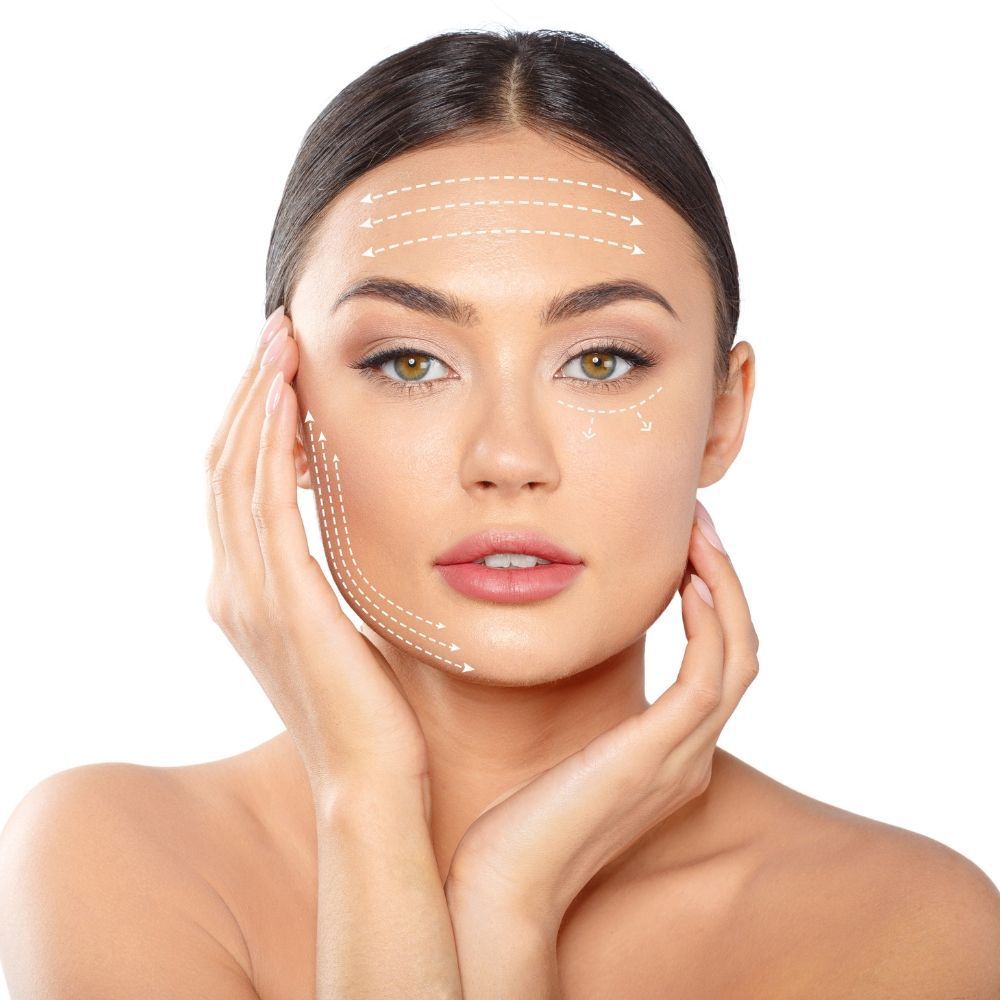
Four Reasons People Choose Exosome Treatments
Advanced Regenerative Support
Clients interested in cutting-edge, regenerative approaches may choose exosomes to enhance skin-repair signals during or after procedures like microneedling.
Improved Skin Quality & Glow
Exosome protocols are often used to support a smoother, more hydrated, more radiant complexion as part of a broader skin-health plan.
Complement to Existing Treatments
Exosomes are frequently layered into existing treatments (such as microneedling or PRP/PRF) to potentially enhance recovery and overall cosmetic results.
Non-Surgical, Minimal Downtime Option
When used topically or as part of minimally invasive treatments, exosomes fit well into regenerative protocols that aim for visible improvement without surgery.
How Treatment Works in Practice
Consultation & Candidacy Review
Your provider reviews your skin concerns, medical history, and current treatment plan. They'll explain how exosomes are used at Longevity 360, where they fit in your regimen, and what outcomes are realistically expected.
Treatment Pairing & Planning
Exosomes are often paired with procedures like microneedling, PRP/PRF, or other skin-rejuvenation techniques. Your provider decides when and how they'll be incorporated, for example, applied immediately after microneedling to support post-procedure recovery.
Skin Preparation & Primary Procedure
Your skin is cleansed thoroughly, and any numbing (if needed) is applied. The primary procedure, such as microneedling, is performed first to create controlled micro-channels and stimulate the natural healing response.
Application of Exosome Product
Once the skin is prepped and receptive, an exosome-based product is applied or gently worked into the treatment area. The goal is to deliver signaling molecules where they can best support regeneration and repair.
Recovery, Aftercare & Follow-Up
You'll receive instructions on post-treatment care, such as skincare to use or avoid, sun protection, and when makeup can be resumed. Your provider may recommend a series of sessions and follow-ups to evaluate your response and adjust your plan as needed.
Regenerative Signaling Support
Exosomes act as cellular messengers, helping support the skin's natural repair and renewal processes when used with appropriate procedures.
Enhanced Post-Procedure Recovery
Often used after microneedling or other aesthetic treatments to help calm, hydrate, and support the recovery phase.
Potential for Smoother, More Radiant Skin
Many clients seek exosome-enhanced protocols to improve overall skin tone, texture, and glow as part of a comprehensive skin-health strategy.
Non-Surgical & Minimally Invasive
Typically applied topically or used alongside minimally invasive treatments, offering a regenerative option without surgery or significant downtime.
Integrates With Other Regenerative Therapies
Can be combined with PRP/PRF, microneedling, or other Longevity 360 services for an amplified, multi-layered aesthetic approach.
Physician-Led, Thoughtfully Applied
At Longevity 360, exosomes are incorporated only when appropriate, under physician oversight, and with a clear focus on safety and realistic expectations.
Frequently asked questions
Exosomes are typically applied in combination with other procedures, like microneedling or regenerative facials, to support skin-repair signaling and post-treatment recovery. They are not used as a stand-alone cure or replacement for sound medical care.
Some clients notice early improvements in hydration and glow, but the more meaningful changes, such as refinement of texture and overall skin quality, tend to develop gradually over several weeks as skin rebuilds and remodels.
The exosome product itself is not painful to apply. Any discomfort usually comes from the primary procedure (for example, microneedling), which is performed with topical numbing and careful technique to minimize discomfort.
Regulation of exosome products is an evolving area, and many exosome-based products are not specifically FDA-approved for cosmetic indications. At Longevity 360, we use exosomes in a cautious, physician-guided way, focusing on safety, transparency, and alignment with current medical standards.
Individuals with certain medical conditions, active infections, open wounds, or specific immune issues may not be ideal candidates. Your medical history will be thoroughly reviewed to determine whether exosome-enhanced treatments are appropriate for you.
Science & Safety of Exosome Treatments
Exosomes are extracellular vesicles, tiny bubbles released by cells that carry proteins, lipids, and genetic material (such as RNA). In laboratory and early clinical contexts, exosomes are being studied for their potential roles in:
In aesthetics, exosome-based products are used in a regenerative, cosmetic context, usually to support skin health and recovery rather than to treat disease. However, this is a rapidly developing area of research and regulation, and long-term data are still emerging.
Common side effects are usually related to the primary procedure (such as temporary redness, swelling, or sensitivity after microneedling). Any topical product can potentially cause irritation or sensitivity, so your provider will monitor your response and adjust future treatments accordingly.
- Cell-to-cell communication
- Modulating inflammation
- Supporting tissue repair and regeneration
- Using exosome products from reputable sources and manufacturers
- Clear understanding that these are supportive cosmetic tools, not cures
- Physician oversight and careful patient selection
- Avoiding use in individuals for whom the therapy may not be appropriate
- At Longevity 360, exosomes are integrated cautiously into treatment plans. They are never positioned as a stand-alone medical treatment or substitute for established medical care. Instead, they serve as an adjunct in a broader, physician-led approach to skin health and regenerative aesthetics.
How Common Are Exosome Treatments?
Exosome-based treatments have emerged more recently than options like microneedling, PRP, or fillers, and are increasingly offered in advanced med spas and regenerative practices. Because they are part of an evolving field with active research and regulatory attention, availability and usage can vary by clinic and region.
At Longevity 360, exosomes are used selectively within the context of a comprehensive, medically grounded aesthetics and longevity program, aimed at enhancing your results while keeping safety, transparency, and realistic expectations at the forefront.
Book your exosomes consultation
Tell us what you want to change and we will tell you honestly whether this is the right treatment for it. Consultations are led by Dr. Hasan and there is no obligation to book a treatment on the day.