

When people hear that science can "measure aging," it often sounds futuristic or unrealistic. In reality, researchers have developed tools that help estimate how the body is aging at a cellular level one of the most important being the epigenetic clock.

What Does "Epigenetic" Mean?
Your DNA is largely fixed at birth, but how your genes behave is not. Epigenetics refers to chemical markers that sit on DNA and influence how genes are turned on or off over time.
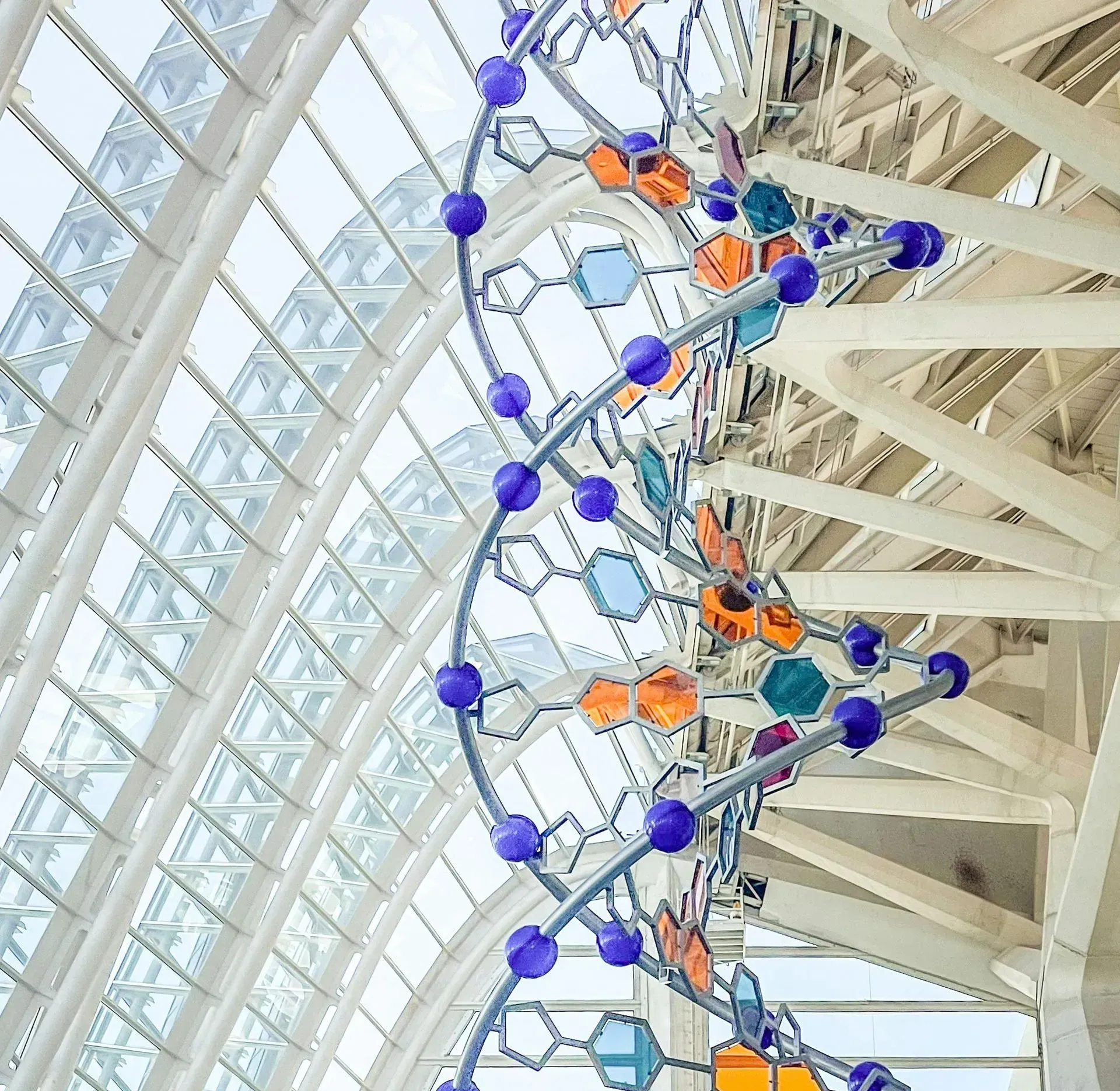
One of the most studied markers is DNA methylation - a chemical tag that changes in predictable patterns as we age.
Epigenetic clocks analyze these patterns to estimate biological age, rather than simply counting years lived.
How Epigenetic Clocks Are Used
Epigenetic clocks allow researchers to:
- Estimate biological age across different tissues
- Study how lifestyle factors affect aging
- Evaluate whether interventions influence aging rates
Importantly, these clocks are research and clinical tools, not diagnostic tests. Results must always be interpreted in context.
What Epigenetic Clocks Can - and Cannot - Tell You
They can:
- Offer insight into aging pace
- Help guide long-term wellness strategies
- Support healthspan-focused care
They cannot:
- Predict exact lifespan
- Replace medical evaluation
- Provide standalone medical diagnoses
At Longevity360, we believe tools like epigenetic clocks are valuable when used thoughtfully, never in isolation, and never as a promise of outcomes.