
Chemical Peels
Medical grade resurfacing matched to your skin, your tolerance, and how much downtime your calendar can actually absorb.
What Are Chemical Peels
Chemical peels are skin-resurfacing treatments that use carefully selected exfoliating solutions to remove damaged outer layers of skin and encourage healthier, smoother skin to emerge. Depending on the type and strength of the peel, chemical peels can improve tone, texture, discoloration, acne, fine lines, and overall skin clarity.
At Longevity 360, chemical peels are selected based on your skin type, goals, and tolerance level, allowing for a personalized treatment that supports brighter, healthier-looking skin without surgery.
Four Reasons People Choose Chemical Peels
Brighter, More Even Skin Tone
Chemical peels help reduce the appearance of sun damage, discoloration, and uneven pigmentation for a clearer, more radiant complexion.
Smoother Skin Texture
Many clients choose peels to improve roughness, dullness, and surface irregularities, helping skin feel softer and look more refined.
Support for Acne & Congestion
Certain chemical peels help clear clogged pores, reduce breakouts, and improve post-acne marks, making them a great option for acne-prone skin.
Non-Surgical Rejuvenation
Chemical peels offer a simple, effective way to refresh the skin and improve visible signs of aging without injectables or invasive procedures.
How Treatment Works in Practice
Consultation & Skin Assessment
Your provider begins by evaluating your skin type, concerns, sensitivity level, and treatment goals. This helps determine which peel is most appropriate and whether a light, medium, or progressive approach is best for you.
Skin Preparation & Cleansing
The skin is thoroughly cleansed to remove oil, makeup, and impurities. In some cases, the skin may be prepped with specific solutions to ensure even application and safe penetration.
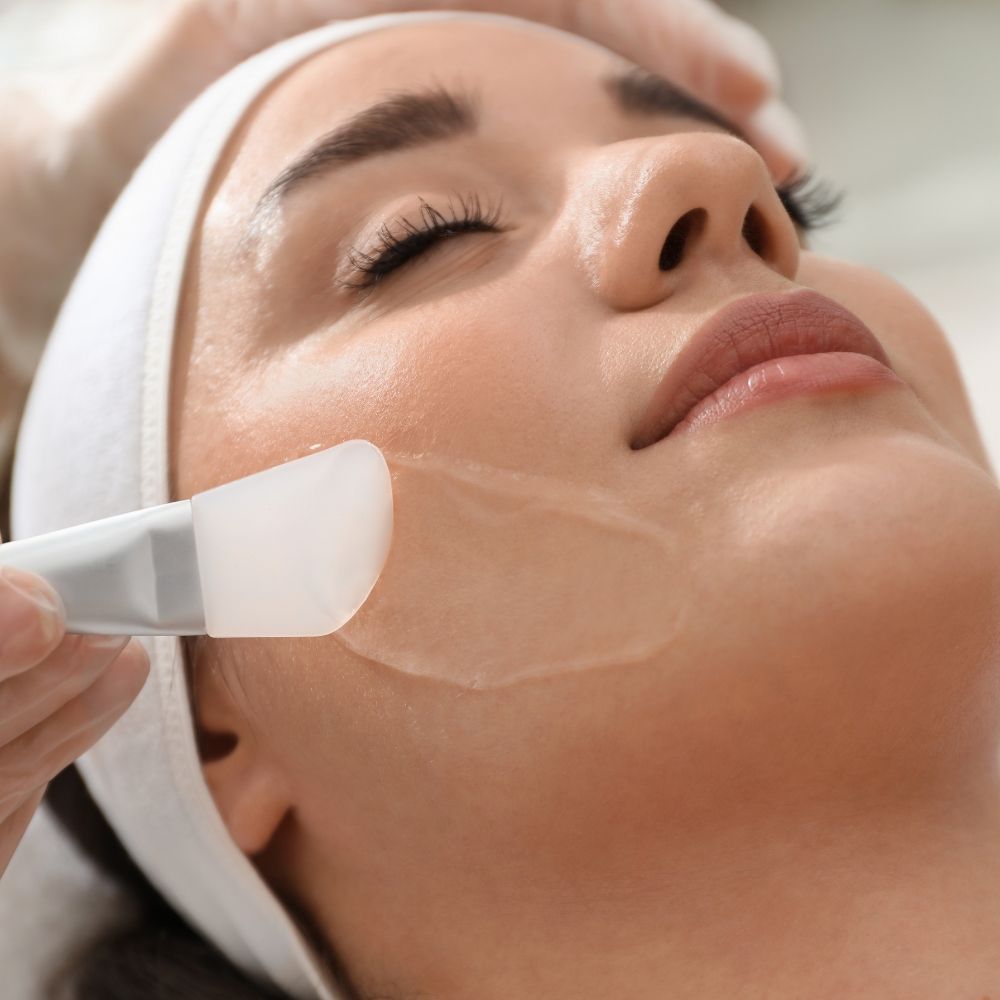
Application of the Peel Solution
The selected peel is applied evenly to the treatment area and left on for a controlled period of time. You may feel tingling, warmth, or mild stinging depending on the type of peel used.
Neutralizing or Finishing the Treatment
Some peel formulas are neutralized and removed during the visit, while others are self-neutralizing and remain on the skin for a period afterward. Your provider will explain exactly what to expect with your specific peel.
Recovery, Aftercare & Treatment Plan
After treatment, your skin may appear pink, tight, or slightly flaky as it begins to renew. You'll receive aftercare instructions, including skincare guidance and sun protection, and your provider may recommend a series of treatments for best results.
Brighter Complexion
Helps lift dull, tired-looking skin to reveal a fresher, more radiant appearance.
Improved Tone & Discoloration
Can reduce the look of sun spots, post-inflammatory marks, and uneven pigmentation.
Smoother Texture
Encourages skin renewal that helps refine rough patches, flaky skin, and uneven surface texture.
Breakout & Pore Support
Certain peels help clear clogged pores and reduce congestion, making them useful for acne-prone skin.
Softening of Fine Lines
Regular peel treatments can help minimize the appearance of superficial lines and early signs of aging.
Customizable for Different Skin Goals
Chemical peels come in different strengths and formulas, allowing treatment to be tailored to your skin type and concerns.
Frequently asked questions
Not always. Some peels cause visible flaking or peeling for several days, while others create more subtle exfoliation with little to no noticeable shedding. The amount of peeling depends on the type and strength of peel used.
Most clients describe the treatment as very tolerable. You may feel tingling, warmth, or mild stinging during application, but this usually lasts only a few minutes.
Some people notice improvement after one peel, but a series of treatments often produces better and more lasting results. The right number depends on your skin concerns, goals, and the strength of the peel.
Downtime varies depending on the peel. Light peels may involve minimal redness or flaking, while stronger peels can require several days of visible peeling and extra care.
Many adults with concerns like dull skin, acne, discoloration, or fine lines can benefit from chemical peels. A consultation is important to determine the right peel for your skin and to avoid treatments that may not be appropriate for certain skin conditions or sensitivities.
Science & Safety of Chemical Peels
Chemical peels work by applying controlled exfoliating acids or active ingredients to the skin to loosen damaged surface cells and stimulate renewal. Depending on the formula, peels may act primarily on the outermost layer of skin or penetrate more deeply to support additional resurfacing and collagen remodeling.
Common side effects may include redness, dryness, tightness, flaking, and temporary sensitivity. More significant irritation, pigment changes, or prolonged peeling can occur if the wrong peel is chosen or aftercare is not followed carefully. That is why chemical peels should be selected and applied with professional guidance.
At Longevity 360, chemical peels are customized to your skin type and goals, with a focus on safe exfoliation, realistic expectations, and healthy skin renewal.
- Common ingredients in chemical peels may include alpha hydroxy acids, beta hydroxy acids, trichloroacetic acid, or blended formulations designed for specific concerns such as acne, pigmentation, or early aging. By removing damaged skin cells and accelerating turnover, peels can improve clarity, smoothness, and overall skin appearance.
- Proper skin evaluation and peel selection
- Using the correct strength and exposure time
- Following pre- and post-treatment instructions
- Avoiding excessive sun exposure during healing
- Applying treatment in a professional setting with trained providers
Book your chemical peels consultation
Tell us what you want to change and we will tell you honestly whether this is the right treatment for it. Consultations are led by Dr. Hasan and there is no obligation to book a treatment on the day.